
In the Weeds of Local Programs - Reflections on Implementation

Robyn Landes, South Portland Resilience Fellow, shares her takeaways from implementing the Resilient Yards and Home Energy Programs, which cultivate both social and environmental resilience. While weaving in the story of tending to an originally overlooked space, she reflects on the value of witnessing tangible impacts of community programs over time and her growing appreciation for slow change in municipal work.
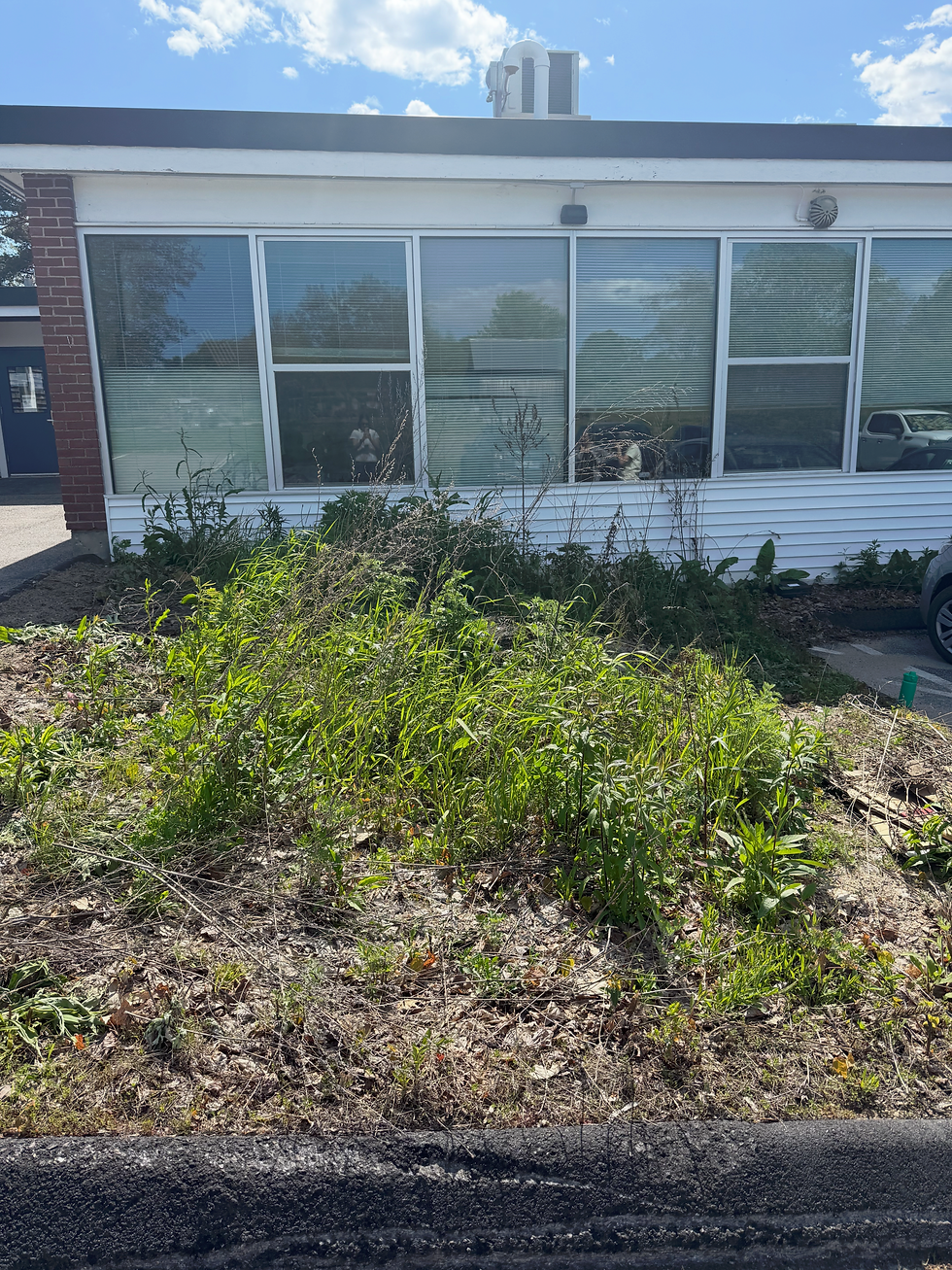
As the South Portland Resilience Corps Fellow, I have been collaborating on a variety of sustainability initiatives such as South Portland's Resilient Yards and Home Energy Programs. When I began my position in the winter of 2025, I routinely passed the plot of overgrown weeds as I entered my office each morning. While oftentimes inundated with snow, as the days got warmer, the neglected patch remained untended. One of the long-time volunteers for the Resilient Yards Program, Lia, drew our attention to the utter hypocrisy of leading a city-wide native habitat gardening program, with such an ecologically dull landscape out front. What example were we setting? Needless to say, we got to work with clearing the weeds, mulching, designing, and planting to practice the principles of a Resilient Yard. I looked forward to these brief interludes from computer work to acquaint myself with hands-on ecological gardening.
Beneath the midsummer light, Lia taught me how to garden. How to gently break apart the roots before placing the plant into the soil. And, the importance of leaving a sliver of space between the flower and mulch for breath. As our hands were deep in the soil, we chatted about the elaborate cakes she bakes for her grandkids and the lesser-known local swimming spots. I witnessed her tenacious belief in a previously unseen potential; care for a space too easily overlooked. As we scavenged far and wide for plants to populate the newly vacant space, the garden unhurriedly awakened with Bee Balm, Black-Eyed Susans, and Asters.
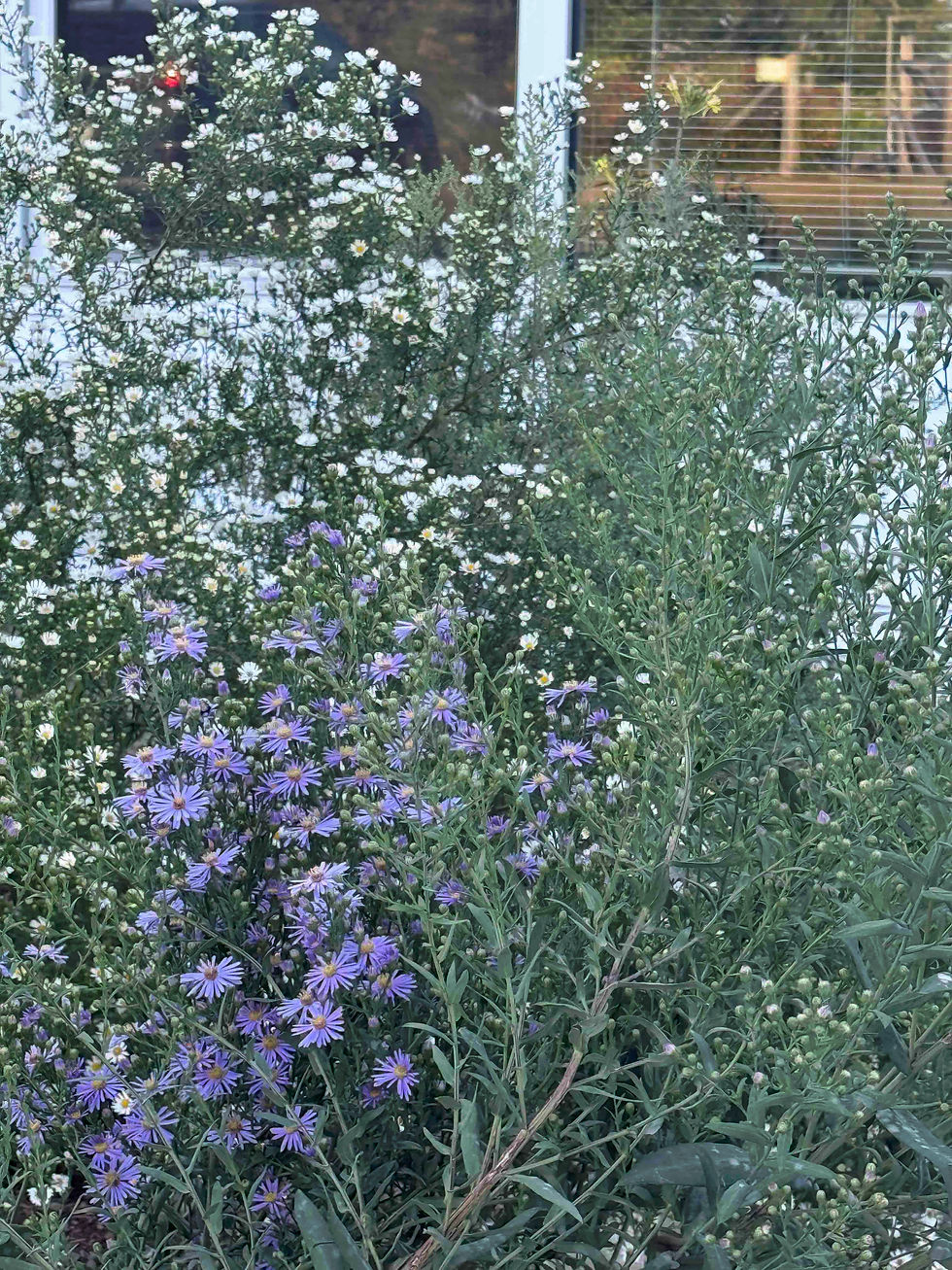
In my first year as a fellow, I got propelled into running the Resilient Yards Program, absorbing knowledge from volunteers, coworkers, and participants on the ecological value of native plants, while simultaneously witnessing social resilience in action. Lawns are a pervasive problem. As the single largest crop in the US, they account for 40-50 million acres of land, requiring ongoing watering, mowing, etc. Resilient Yards asks South Portland residents to imagine an alternative, to shift the narrative. What if we replace lawns with native plants that require less upkeep, support biodiversity, and foster healthier waterways and soil by reducing the need for pesticides and fertilizers? Planting native species is a key principle of ecological gardening, which centers on working with, rather than against nature. By choosing the right native plant and putting it in the right place, landscapes can transform into habitat for insects, birds, and other wildlife.
Community resilience thrives on interconnectedness, and neighbor to neighbor connection is embedded in the Resilient Yards program. I often hear that participants apply because they caught a glimpse of a neighbor’s garden the prior year. A singular patch of plants ripples through the neighborhoods. As Maine has an increasingly aging population, keeping seniors connected is fundamental for building resilience. Whether it’s a retired person teaching ecology concepts to a young participant who just moved to the block, or the coaches ranging in age from their 20s to 80s, the program spans generations.
…. Year 2 ….
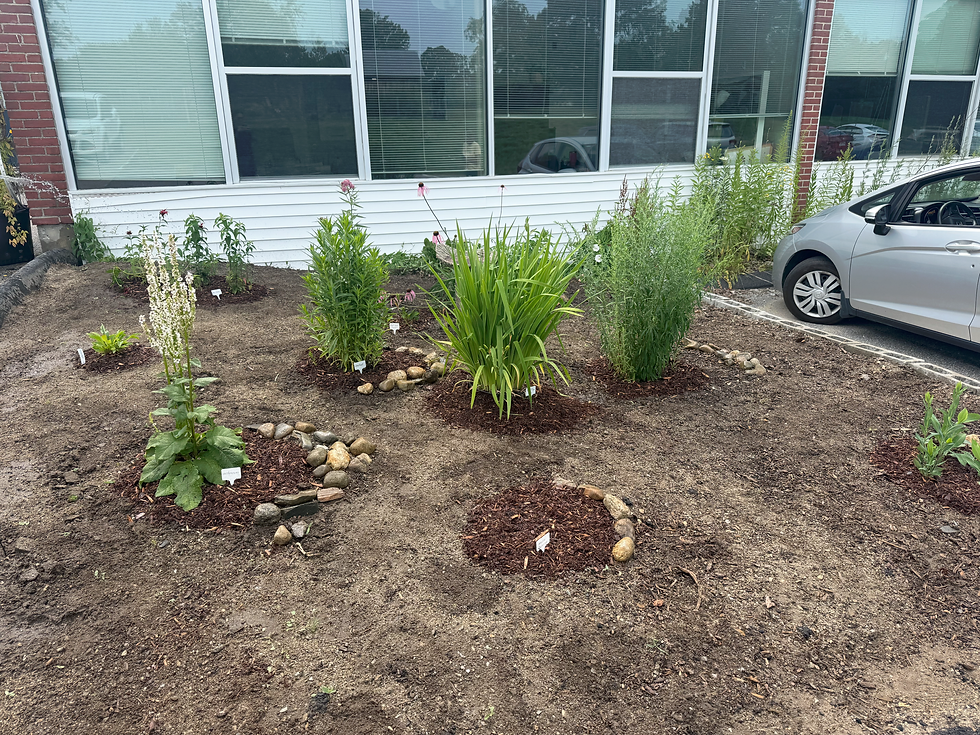
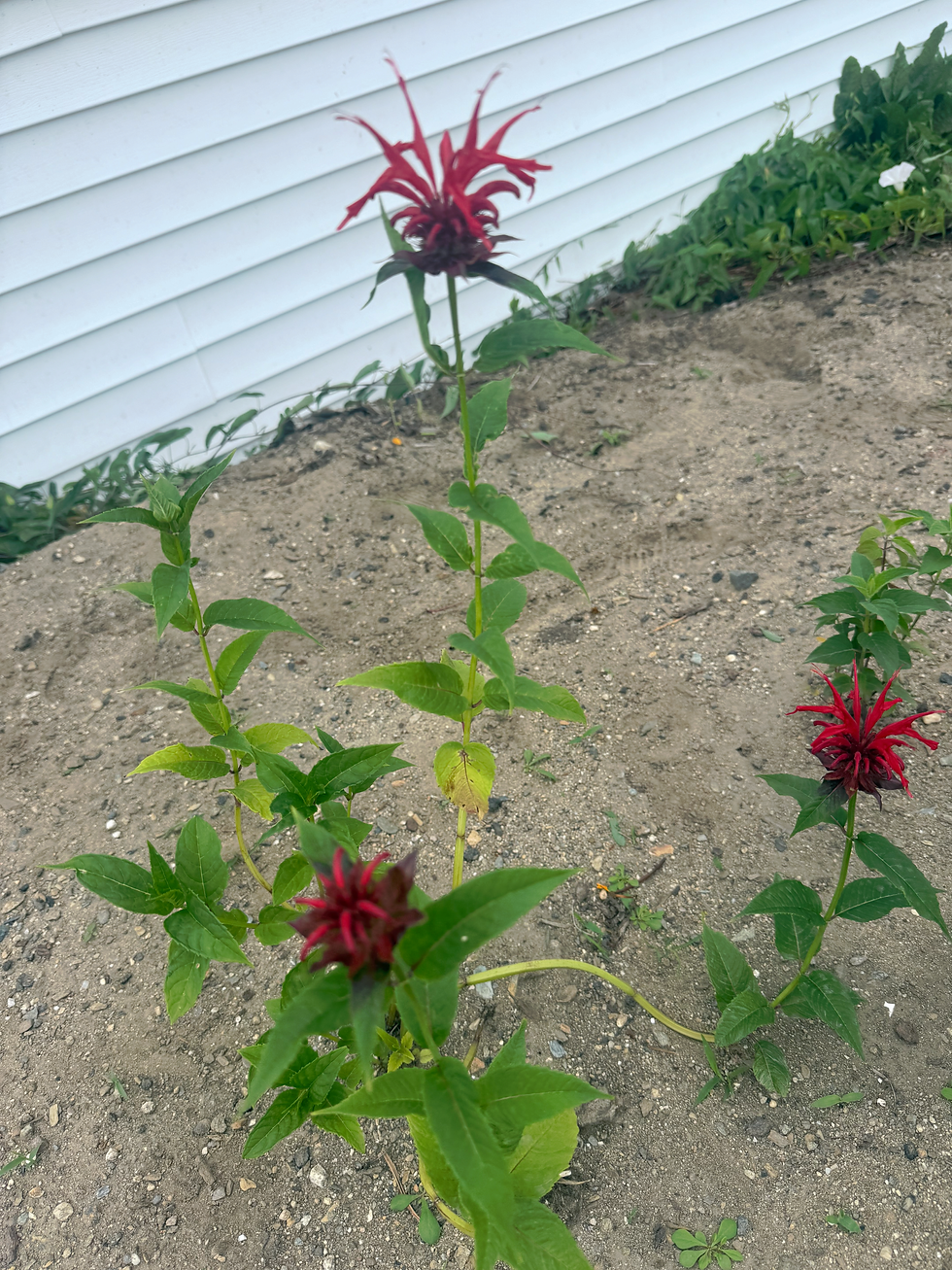
Patience imbued the winter months, uncertain of whether the plants would endure such sandy, seemingly depleted soil. Lia and our office basked in unexpected joy and delight upon noticing their perseverance, despite being inundated by layers of snow and salt (major oversight!). As I entered the office each morning in the summer of 2026, my attention shifted to the inaugural blooms. I first caught sight of the scarlet bee balm, filled with awe at the cylindrical, almost spiky leaves. Then it was the ethereal pink foxglove and their tall rosy flowers that faded fast. Pure glee at buzzing bees finding solace in their new habitat. As the summer days elapsed, we problem-solved the garden’s inherent slope, using stones to prevent water from pooling at the bottom, and finally unearthed a workable spigot.
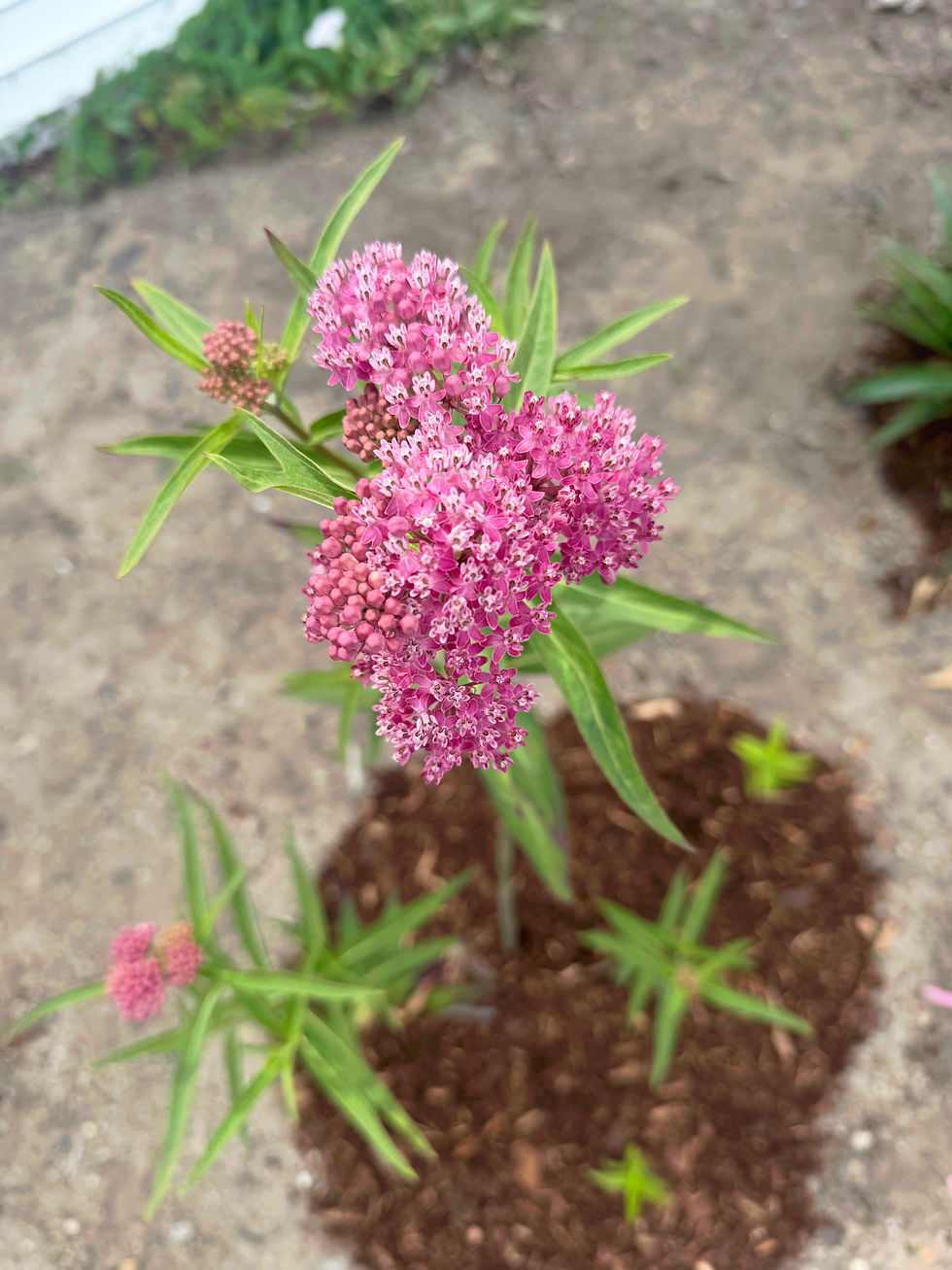
As native plants take 2-3 years to fully expand and mature, sustainability work similarly requires patience and a long-term vision. I’m grateful for the opportunity to work in the South Portland Sustainability Department for two years, getting to expand my work and relationships, noticing change over time and developing skills such as program management, volunteer coordination, and relationship building. In my second year leading Resilient Yards, I got to incorporate feedback to make it a better program, reflecting community input. We forged new partnerships with local ecological landscapers, opened the opportunity to be a coach to anyone regardless of experience, and enhanced four distinct trainings.
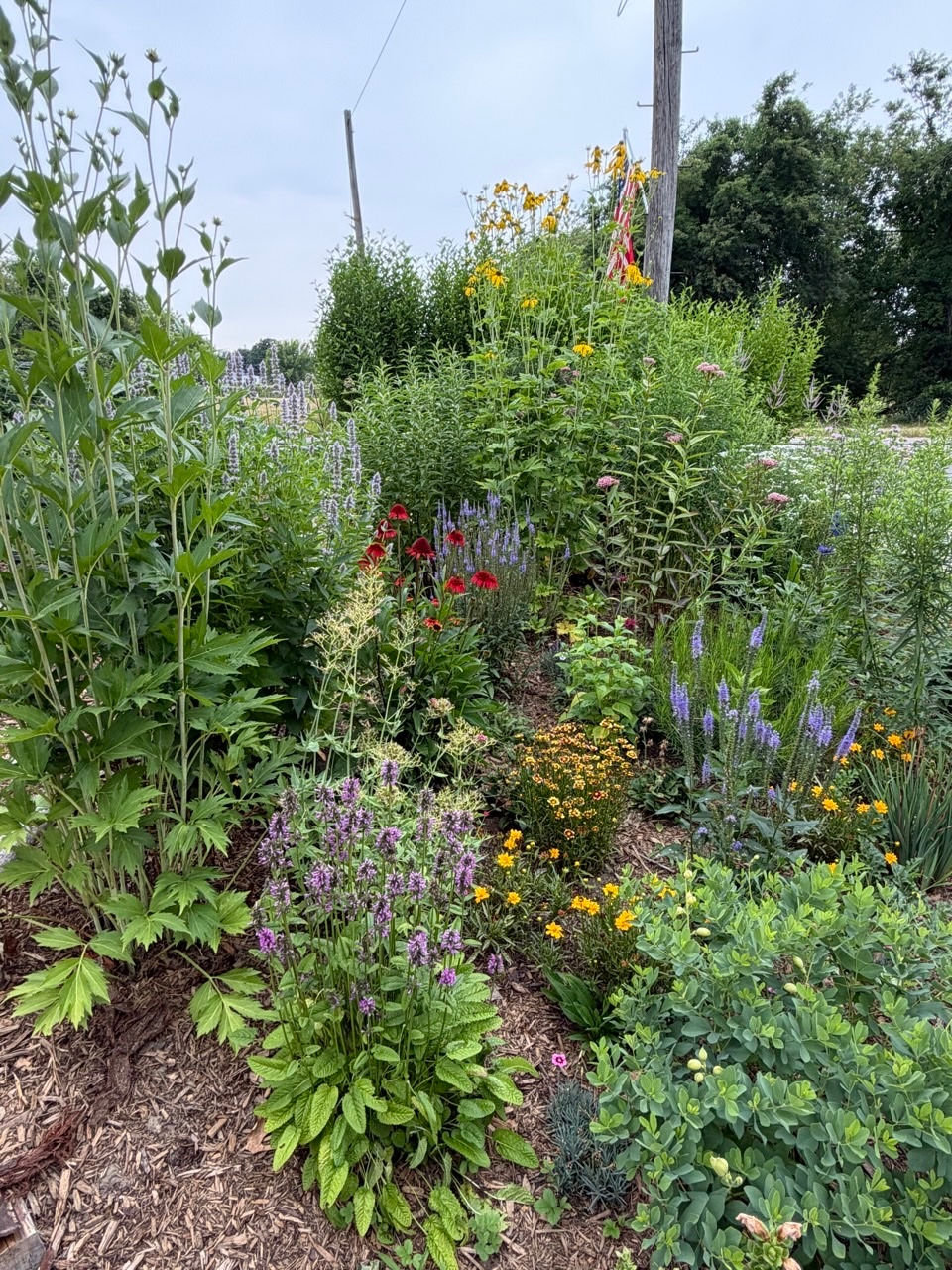
Sam, a former participant turned coach, recently shared photos of her garden’s sweeping growth in a single year. Sam received initial guidance from her coach, building her own confidence to keep at it and share her experience with others.
….................
During my first service year with South Portland, I dabbled in researching local energy programs and acquainting myself with fundamental energy efficiency concepts through the Rewiring America course. This year, I’ve dedicated a significant portion of time to developing and launching the South Portland Home Energy Program. The program aims to reduce the impact of sharply rising energy costs, increase comfort, and improve energy efficiency for South Portland Residents. What began as exploring all the possibilities evolved into something tangible. We received two grants, hired local energy professionals, designed outreach and program materials, and partnered with Age Friendly South Portland to table at local events distributing weatherization kits.

On an early September morning, we gathered with members of the South Portland Age Friendly Committee to assemble weatherization kits, including everything from door sweeps to window insulation kits. While singing along to music from a different era (I admittedly did not know the lyrics), the outlet gaskets and window caulk steadily dwindled as we compiled 250 + bags. Although DIY efforts are not a be all and end all fix, they provide a framework for people to get started. Further, residents who apply to the program don’t have to tackle these projects alone. They will receive a free 1-hour home energy assessment and hands-on weatherization installation services.
Across both Resilient Yards and Home Energy Programs, a through line remains empowering to break the inertia via 1:1 connection. Whether someone is overwhelmed by the landscape of energy efficiency incentives or uncertain about cultivating a habitat in their yard, we can support them to take those first steps. Similar to the concept of ecological messiness, we don’t need to be perfect to move towards a larger goal. I’ve learned first-hand how policy intersects with behavior change, creating programs to meet people where they are. As a fellow, I’ve grown to find joy in implementation, and purpose in slow change as I continue to strengthen my own voice and confidence.
A titular characteristic for native habitat gardens is to always have something in bloom and that plants take time to establish and spread. As it exists right now, the office garden still requires periodic care and attention, although much less than non-native plants. Along with routine tending, the garden's future brims with possibility. Perhaps it will become an educational garden; a space for learning, sharing, and connection. However the garden may evolve; it remains an ongoing, imperfect project, and a signal of our collective efforts. In my last few months as a fellow, I’ll continue to pass by the garden each morning and reflect on the value of leading by example, appreciating small wins, and to never underestimate the capacity of easily forgotten spaces.
About Robyn

Robyn is originally from New York City and relocated to Portland in 2025 excited to join the Resilience Corps as a fellow with the City of South Portland. She graduated from Colgate University, where she interned in the Office of Sustainability and grew her interest in community engagement, gardening, and climate resilience. Robyn likes rock climbing, long walks, drinking coffee, and spending time with dogs. Last year, she enjoyed working with volunteers through the Resilient Yards Program, writing monthly sustainability articles, and collaborating with a supportive team in South Portland. Robyn is thrilled to have the opportunity to continue learning, building community, and participating in hopeful local action as a fellow this year.


Comments